
In today’s hospitality landscape, the first experience of your hotel rarely happens at the reception desk. It occurs on a screen. Long before a guest checks availability or reads a review, they see your property — through photographs, videos, and visual stories that shape expectations instantly. For hotels, resorts, boutique stays, and homestays alike, strong visual assets are no longer optional. They are the foundation of modern hotel marketing content and brand perception.
From luxury hotel photoshoots in India to homestay photography in Meghalaya, the properties that stand out are those that understand how visuals convey atmosphere, trust, and experience. Below are the essential visual assets every hotel must have — not as a checklist, but as a cohesive storytelling system that works across platforms and guest touchpoints.
1. Photography That Sells
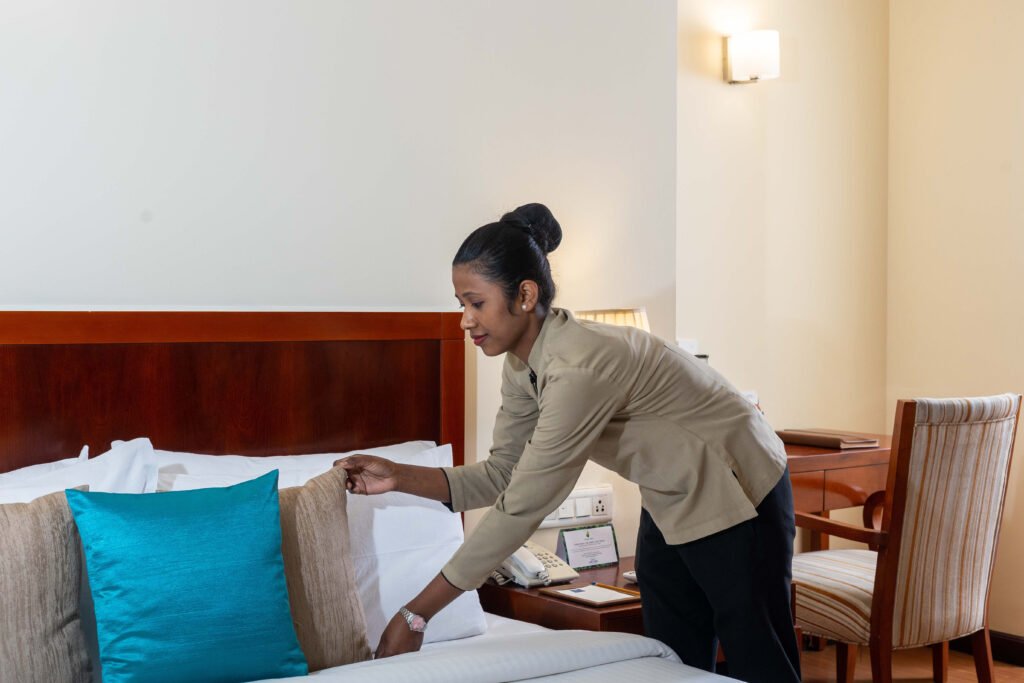
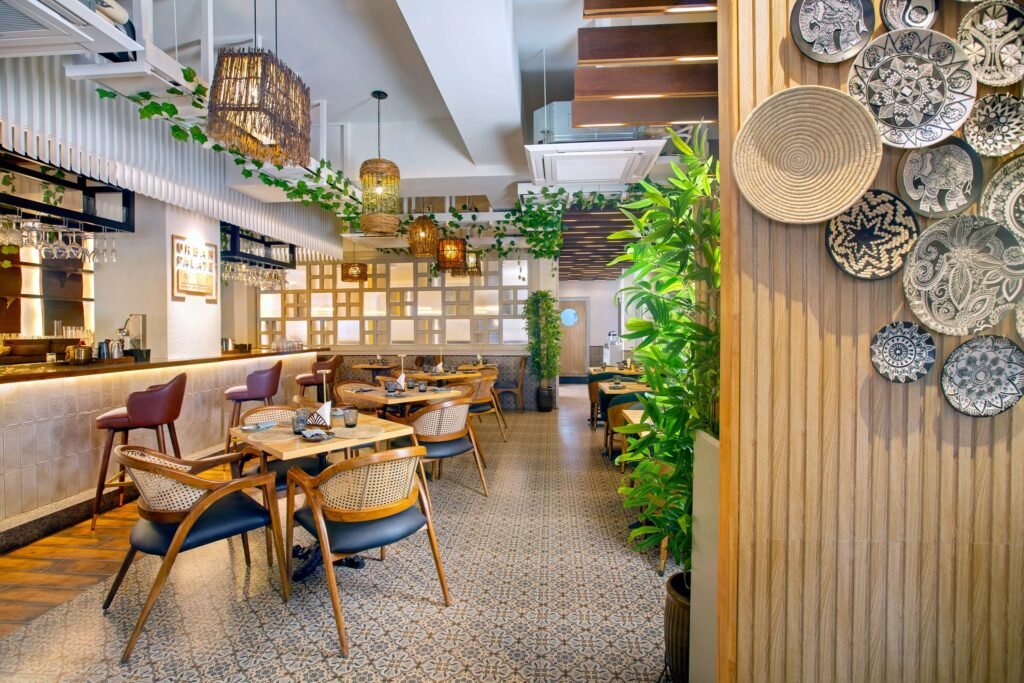
Professional photography remains the backbone of all hotel marketing visuals. Yet the most effective hotel photography services in India go far beyond wide-angle room shots and perfectly made beds. What truly converts is photography that communicates how it feels to stay there, the warmth of morning light in the lobby, the calm of a riverside breakfast, the texture of linen, wood, and stone.
For boutique hotel content creators and resort content production teams, this means capturing spaces as lived-in, not staged. Guests today are visually literate; they can tell when images feel overly polished or disconnected from reality.
A professional hotel photoshoot should reflect the rhythm of the property, like quiet mornings, social evenings, and thoughtful details. These images become the visual backbone for websites, OTAs, brochures, and press features, making them one of the most valuable long-term assets a hospitality brand can invest in.
2. Video Content That Brings the Experience to Life
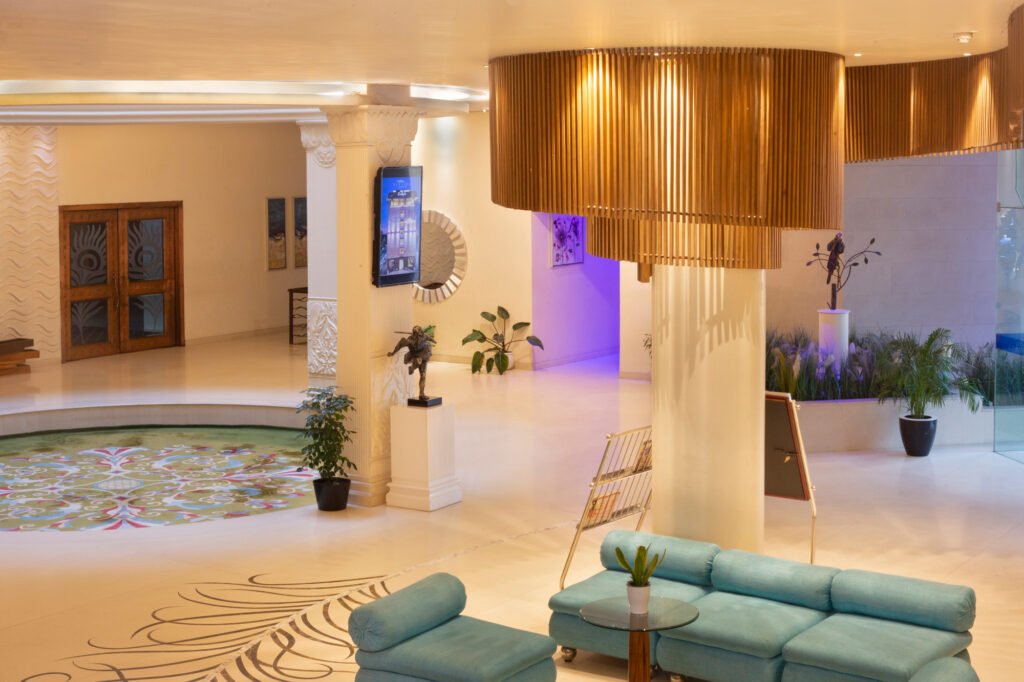
If photography sets expectations, videography deepens desire. Hotel videography services allow potential guests to move through the space before they ever arrive. Short-form videos for social media content for hotels, cinematic brand films, and immersive walkthroughs are now essential for hospitality storytelling.
In destinations like the North East, where landscape and culture play a powerful role in travel decisions, resort videography in Darjeeling or drone videography across North East India becomes especially impactful. Motion captures elements still images cannot — flowing curtains, mist rolling over hills, the soundless suggestion of calm.
Strong hospitality content production understands pacing and mood. Not every video needs to be dramatic; some should be slow, intimate, and observational. Whether it’s a luxury hotel photoshoot in India or a boutique homestay film in Gangtok, the goal is the same: to let viewers imagine themselves inside the experience, not just watching it.
3. Aerial and Location-Based Visuals That Create Context
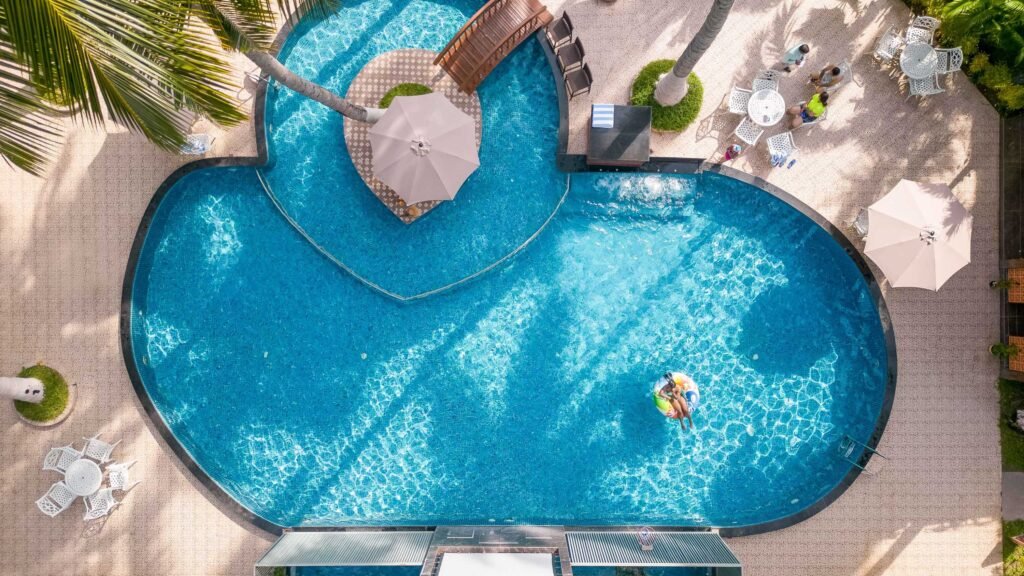
Hotels don’t exist in isolation — they are part of a place. Aerial visuals and location-driven storytelling help guests understand not just where they’ll sleep, but where they’ll be. Resort drone photography, when used thoughtfully, gives scale, perspective, and emotional context to a property.
This is especially relevant for travel content creators in North East India, where geography is often the main draw. Aerial shots of forest-lined resorts, hillside retreats, or riverside homestays instantly position the property within its natural environment. Drone videography in North East India isn’t about spectacle alone; it’s about grounding the stay in its surroundings.
For hotels and resorts in Sikkim, Shillong, Gangtok, or Guwahati, these visuals subtly answer key guest questions: How secluded is it? How close is it to nature? What does waking up here look like? When integrated into hotel marketing content, aerial visuals elevate perception and add a sense of scale and exclusivity without a single word being spoken.
4. Consistent Visual Storytelling Across Digital Platforms
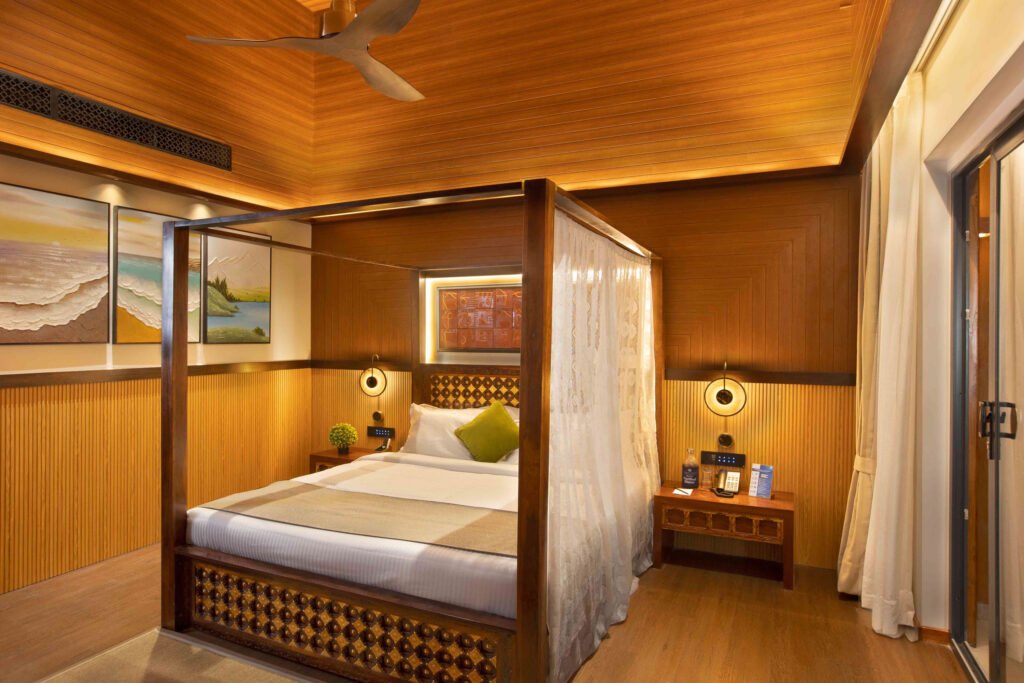
The most overlooked visual asset isn’t a single photograph or video — it’s consistency. Visual branding for hotels depends on how all assets work together across platforms. Website imagery, Instagram reels, booking platform galleries, and even WhatsApp brochures should feel like chapters of the same story.
Hospitality brands that work with experienced hospitality storytelling agencies or hotel content production agencies understand this long-term approach. Visuals are planned not just for one campaign, but for months of use across digital touchpoints. This is where hotel marketing agencies in Shillong, content production agencies in Guwahati, and hospitality content creators in Gangtok play a critical role — shaping visuals that are adaptable, cohesive, and platform-aware.
For resorts, boutique hotels, and homestays alike, strong visual systems ensure that whether a guest finds you through social media, Google, or a travel blog, the experience feels unified. This is what separates average hotel marketing visuals from brands that feel intentional, premium, and memorable.
Why Visual Assets Are a Long-Term Investment
Visual content is often mistaken as a one-time requirement — a photoshoot done, a few videos posted. In reality, strong hospitality visuals are long-term brand assets. They support pricing confidence, improve booking conversions, and reduce dependence on discounts by strengthening perceived value.
Whether you’re a luxury resort, a boutique hotel, or an Airbnb host, the right mix of professional hotel photography, immersive videography, and location-driven storytelling creates a visual language that speaks for you when you’re not in the room.
In a competitive travel market, especially across destinations like Sikkim, Darjeeling, Meghalaya, and the wider North East, hotels that invest in thoughtful, experience-led visuals don’t just attract attention — they attract the right guests. And in hospitality, that makes all the difference.